Our Research
In our 2025 white paper, OPI reviewed and surveyed websites for each US state and territory receiving opioid settlement dollars. We looked at state-level AG, auditor, opioid settlement, and other relevant websites. It was a lot of websites because each state has different names for these things, and as a PhD-trained researcher...sometimes I overdo it. 🤓🫠
Our initial goal was to understand what process the AG and other relevant government entities had in place to receive complaints about how opioid settlement money is being spent. At OPI, we call this problematic spending opioid settlement waste, fraud, abuse, and mismanagement (WFAM).
In today's update, we're just focusing on the ability to report opioid settlement WFAM to AG websites.
Why focus on AG websites?
We argue that the AG is responsible for policing this spending because of the legal argument (parens patriae) they used to justify the opioid lawsuits against manufacturers, distributors, pharmacies, and other related groups. Of course, other government entities can (and probably should!) solicit information on WFAM, but ultimately the AG is the one who can take action when problematic spending arises.
We have also made the argument that accountability has to flow both ways. The AGs held the companies accountable for the issues that they contributed to the crisis. To us, it makes sense that they also hold the governments that are awarded this money accountable for making sure it goes towards addressing this same problem. Otherwise, what is the point?
Buffalo's opioid crisis wasn't due to a lack of lawnmowers. When this money is spent on stuff like that...there should be some accountability.
Besides the AG being ultimately responsible for ensuring governments are accountable for their opioid settlement spending, we also think that this sort of reporting mechanism is important for community members that are working to ensure the money is spent as intended. OPI and volunteers have identified over $200 million in problematic spending, and this is far from all of it. People deserve a process for those issues to be adjudicated. Community members should have the ability to take action (beyond just tearing down a Flock camera) and there should be meaningful accountability for any WFAM.
I will also say, having reviewed all these websites a few times, there are ways to report countless other problems to the AG offices. Most websites have a big old "FILE A COMPLAINT" or some sort of button right on the home page/nav bar.
This is great!
Except when it comes to opioid settlements...the challenge we continue to see is that the "FILE A COMPLAINT" button takes you to a wall of things you could report, and none are opioid settlement issues. When I'm on these websites, it's never clear what to do. Is opioid settlement WFAM a consumer complaint? Public corruption? Civil rights issue?
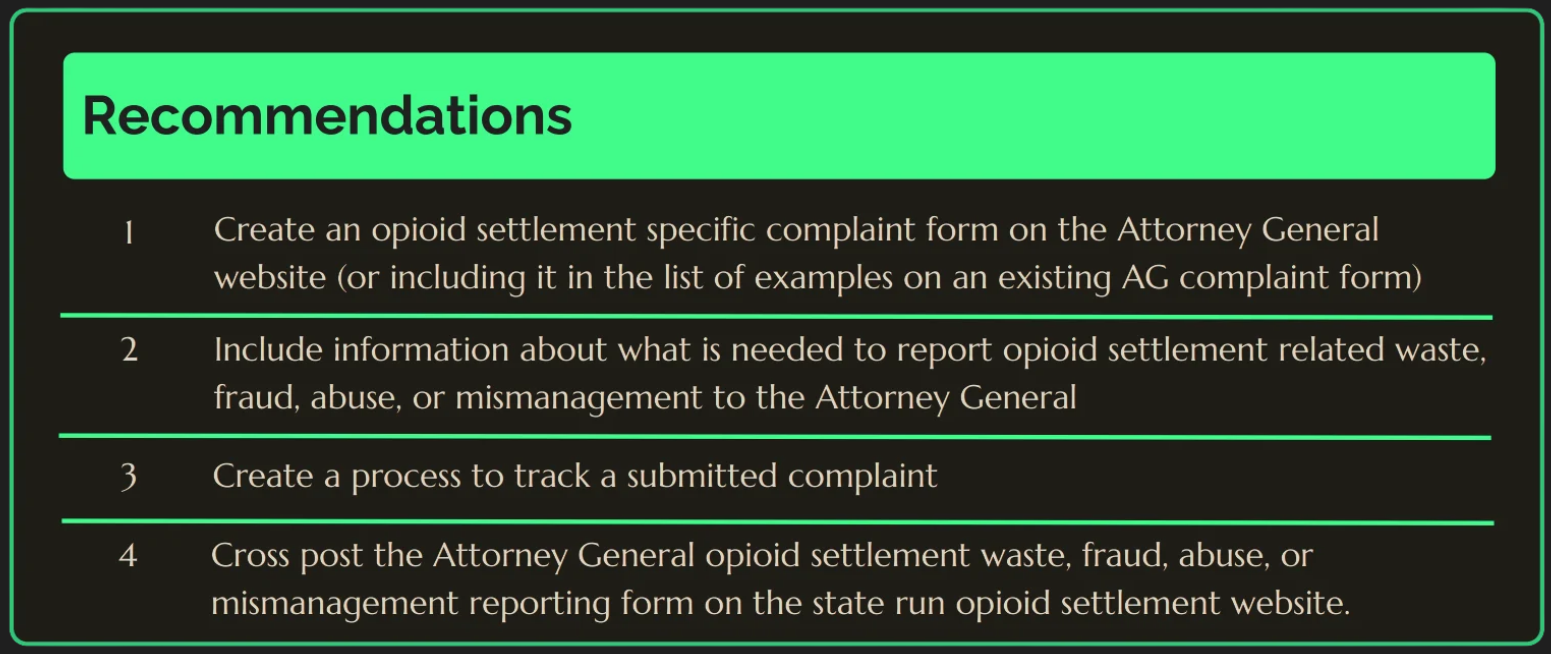
We're being unreasonable...we don't need the opioid settlement WFAM button to be on the nav bar...but it should be an option on these complaint pages/forms, and it should be linked to by other websites (like if the state has an opioid settlement advisory group website, etc).
And it's not like AG websites don't have dedicated issues people can report on these complaint pages. They just don't have opioid settlements as one of these issues!
In Montana, the AG website has a call out for tow truck complaints. Minnesota added one about social media use and addiction (?). And Kansas has a menu item to report complaints about unregistered roofers and something about scrap metal dealers.
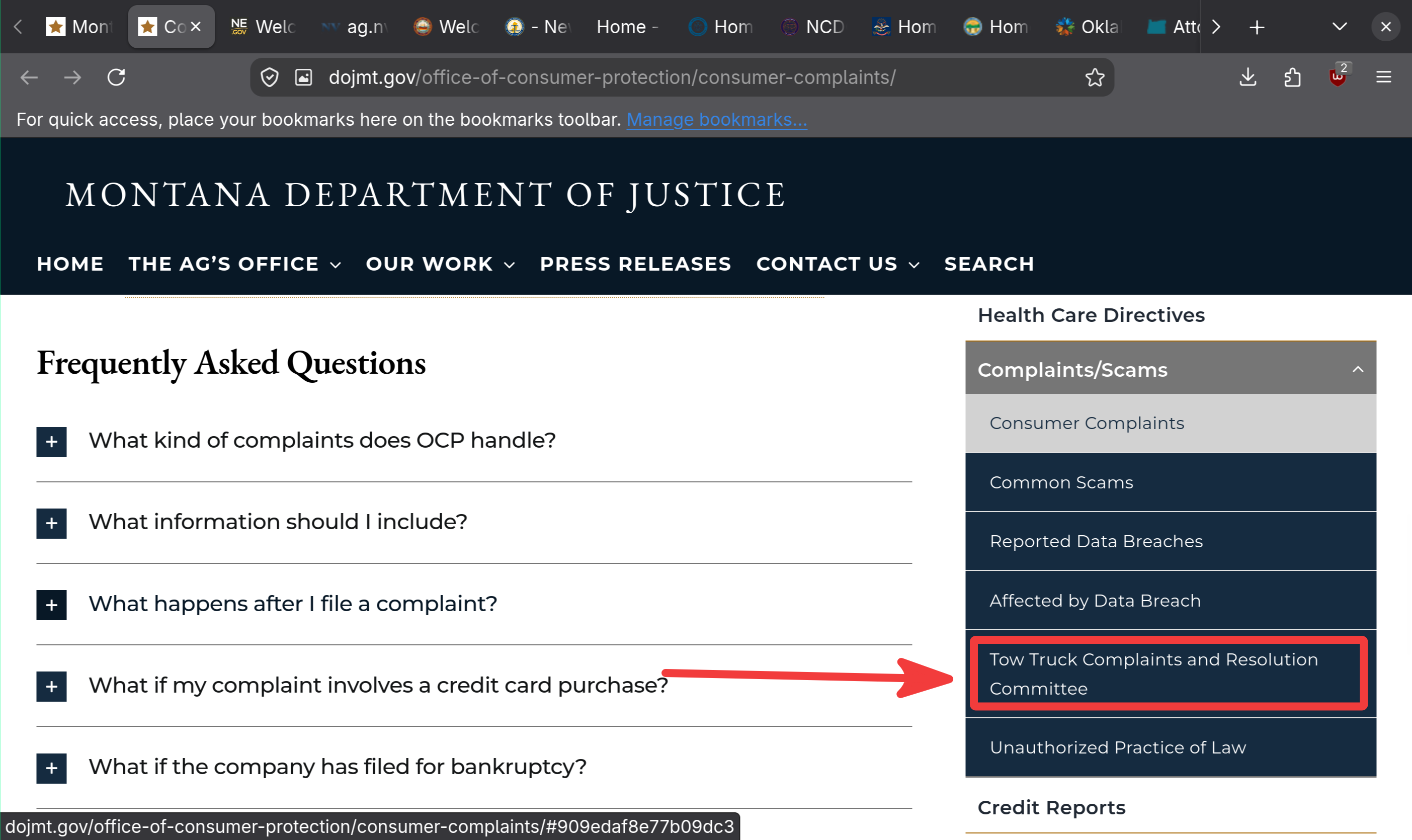
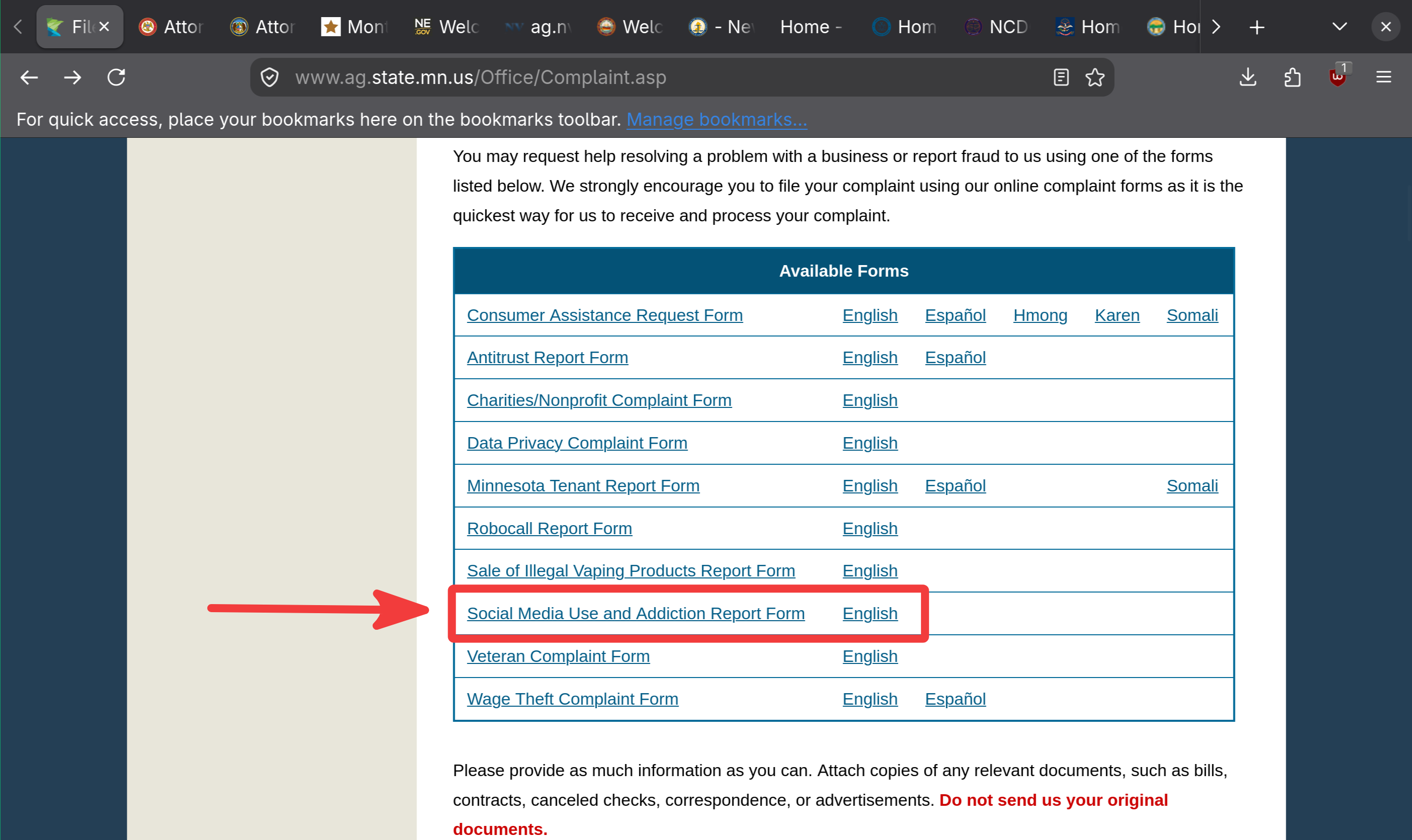
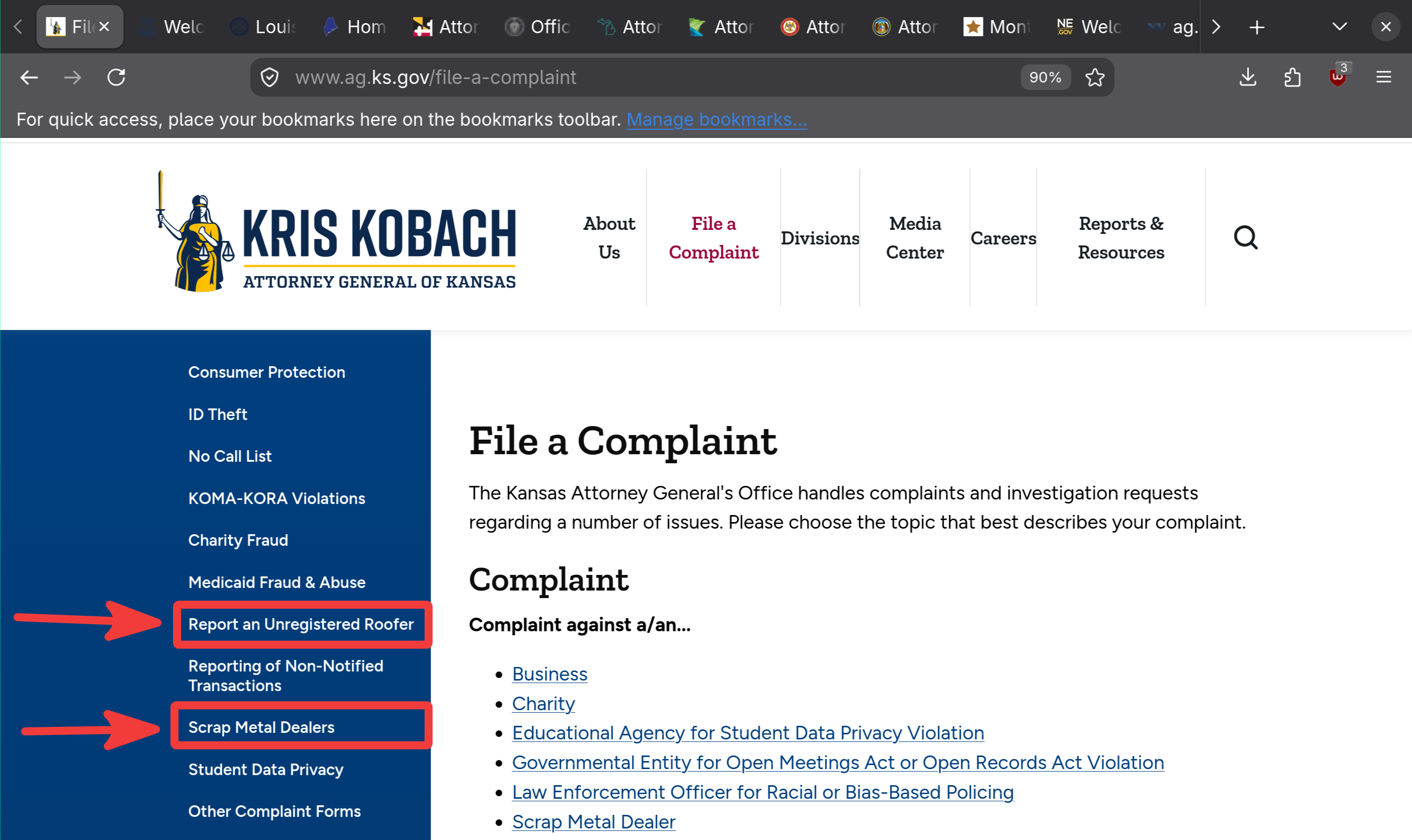
I'm certain that these are all problems in those specific states, and people should be able to easily report them! But it strikes me that if the AG can make those things clear, they should also make it straightforward to report opioid settlement WFAM.
For that reason, we continue to advocate for an easy way for people to report these problems to the people responsible for accountable spending: AG offices!