

Got Oxy? How Michigan’s Mike Rogers Helped Fuel the Opioid Crisis
“In Michigan, we had a good sense that the dial was turning from heroin to overprescribed opioids by the early 2000s,” said Jonathan Stoltman, director of the Opioid Policy Institute in Grand Rapids, Michigan. “There were already janky local clinics in operation, and people were going across the border to pill mills in places like Toledo, Ohio. There were any number of data points where you could see what was happening—including Eminem songs.”
“The PDMP law did not address the supply-side of the equation, and by supporting it Rogers was still running cover for big pharma,” said Stoltman of the Opioid Policy Institute. “The data base was used to kick people unceremoniously off opioids after they were addicted, with no plan or attempt to move them into treatment. A lot of people think this was a big driver of the transition to heroin and the second wave of the crisis.”
“Rogers spent years in Congress pushing a bill that was clearly about training professionals to pump out more opioids, and worked behind the scenes with the companies that contributed to the crisis to get it passed,” says Stoltman of the Opioid Policy Institute. “At the end of the day, he was either stupid, an industry stooge, or both.”
 Alexander Zaitchik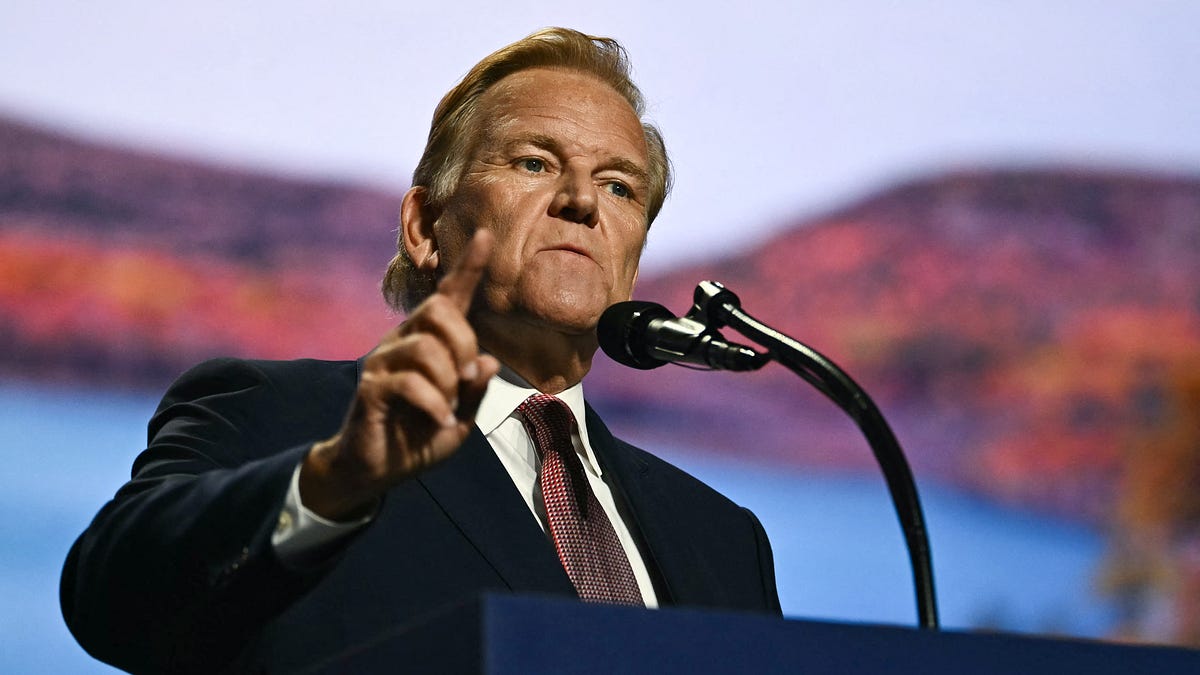
Why Trust Us?
Jonathan Stoltman, PhD
Jonathan has worked as a researcher and advocate focusing on opioid addiction treatment and recovery since 2013. He completed his PhD in Lifespan Developmental Psychology from West Virginia University in 2019. Jonathan’s academic work has appeared in leading journals, conferences, and media outlets. He has been working on opioid settlement-related topics since 2020.
Why You Can Trust OPI
The Opioid Policy Institute exists to help communities improve their response to opioid-related death and disease. We provide evidence-based research and analysis that translates complex legal guidance and public health research into practical, usable insights. Our focus is on transparency, accountability, and community healing by increasing access to evidence-based prevention, harm reduction, treatment, and recovery supports.
OPI’s analysis reflects a collaborative, team-based approach. We blend real-world and academic experience to help ensure our work is methodologically sound, grounded in evidence, and attentive to real-world implementation challenges. We focus on asking the right questions, surfacing tradeoffs, and helping communities build robust responses to addiction.
Opioid Policy Institute by Jonathan JK Stoltman, PhD is licensed under CC BY-NC-SA 4.0


